

The Skin and Gut Connection: Enhancing Skin Health Naturally

Have you ever noticed how your skin reacts to what you eat? Many people have experienced breakouts after indulging in junk food or noticed their skin glowing after a week of healthy eating. This is no coincidence. The connection between our skin and gut health is profound and fascinating. Understanding this relationship can help us enhance our skin health naturally.
In this post, we will explore the skin and gut connection, how our diet impacts our skin, and practical tips to improve both. Let’s dive in!
Understanding the Gut-Skin Axis
The gut-skin axis refers to the relationship between our digestive system and our skin. This connection is supported by a growing body of research that shows how gut health can influence skin conditions like acne, eczema, and psoriasis.
When our gut is healthy, it can effectively break down food, absorb nutrients, and eliminate waste. A balanced gut microbiome, which consists of trillions of bacteria, plays a crucial role in this process. When the gut microbiome is out of balance, it can lead to inflammation and other issues that may manifest on the skin.
The Role of Gut Microbiome
The gut microbiome is made up of various bacteria, fungi, and other microorganisms. These tiny organisms help digest food, produce vitamins, and protect against harmful pathogens. A diverse and balanced microbiome is essential for overall health.
When the gut microbiome is disrupted, it can lead to conditions like leaky gut syndrome. This condition allows toxins and undigested food particles to enter the bloodstream, triggering inflammation. Inflammation can then lead to skin issues, making it vital to maintain a healthy gut.
How Diet Affects Skin Health
What we eat directly impacts our gut health, which in turn affects our skin. Here are some dietary factors that can influence skin health:
1. Sugar and Processed Foods
High sugar intake and processed foods can lead to inflammation in the body. This inflammation can worsen skin conditions like acne and eczema. Reducing sugar and processed foods can help improve skin clarity and texture.
2. Healthy Fats
Healthy fats, such as those found in avocados, nuts, and olive oil, can nourish the skin. Omega-3 fatty acids, in particular, are known for their anti-inflammatory properties. Including these fats in your diet can help maintain skin hydration and elasticity.
3. Fruits and Vegetables
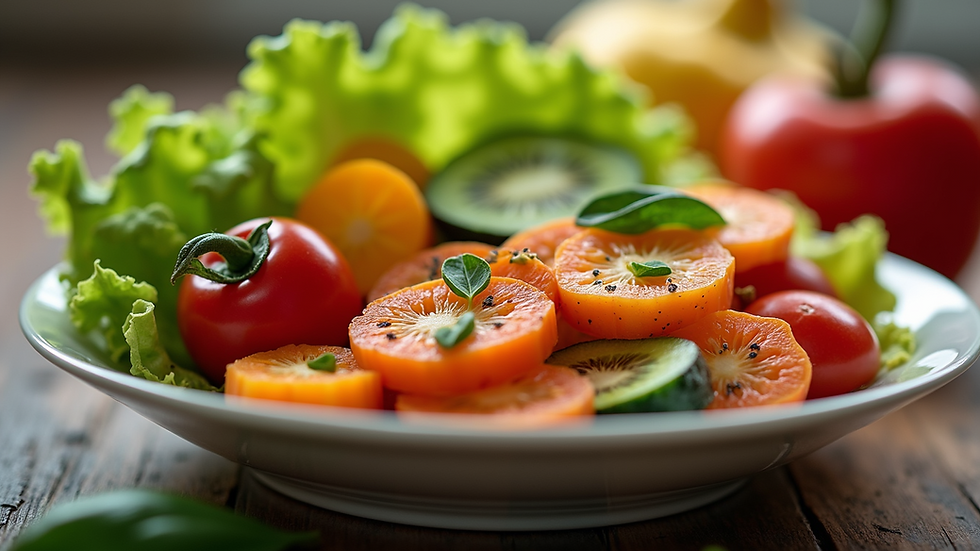
Fruits and vegetables are packed with vitamins, minerals, and antioxidants. These nutrients are essential for skin health. For example, vitamin C found in citrus fruits helps with collagen production, while beta-carotene in carrots can improve skin tone.
4. Fermented Foods
Fermented foods like yogurt, kimchi, and sauerkraut are excellent for gut health. They contain probiotics, which can help restore balance to the gut microbiome. A healthy gut can lead to clearer skin and a reduction in breakouts.
5. Hydration
Staying hydrated is crucial for skin health. Water helps maintain skin moisture and can improve its appearance. Aim to drink at least eight glasses of water a day, and consider adding herbal teas for variety.
Practical Tips for Enhancing Skin Health
Now that we understand the connection between gut health and skin health, let’s look at some practical tips to enhance your skin naturally.
1. Eat a Balanced Diet
Focus on a diet rich in whole foods. Include plenty of fruits, vegetables, whole grains, and lean proteins. This will provide your body with the nutrients it needs to support both gut and skin health.
2. Incorporate Probiotics
Adding probiotics to your diet can help improve gut health. You can find probiotics in fermented foods or take a high-quality supplement. Look for strains like Lactobacillus and Bifidobacterium, which are known to support gut health.
3. Limit Sugar and Processed Foods
Try to reduce your intake of sugary snacks and processed foods. Instead, opt for healthier alternatives like fruits or nuts. This can help reduce inflammation and improve your skin’s appearance.
4. Stay Hydrated
Make it a habit to drink water throughout the day. Carry a reusable water bottle to remind yourself to stay hydrated. Herbal teas can also be a great addition to your hydration routine.
5. Manage Stress
Stress can negatively impact both gut and skin health. Practice stress management techniques such as yoga, meditation, or deep breathing exercises. Finding time to relax can help improve your overall well-being.
The Importance of Sleep
Sleep is often overlooked but is crucial for skin health. During sleep, the body repairs itself, including the skin. Lack of sleep can lead to increased stress hormones, which can worsen skin conditions.
Aim for 7-9 hours of quality sleep each night. Establish a bedtime routine to help signal to your body that it is time to wind down. This can include activities like reading, taking a warm bath, or practicing relaxation techniques.
The Impact of Hormones
Hormones also play a significant role in skin health. Fluctuations in hormones can lead to breakouts, especially during puberty, menstruation, or pregnancy. Understanding your hormonal cycles can help you manage skin issues more effectively.
If you notice that your skin reacts to hormonal changes, consider tracking your cycle. This can help you anticipate breakouts and take preventive measures, such as adjusting your skincare routine or diet.
Skincare Routine Matters
While diet plays a crucial role in skin health, a proper skincare routine is also essential. Here are some tips for an effective skincare routine:
1. Cleanse Gently
Use a gentle cleanser to remove dirt and makeup without stripping your skin of its natural oils. Avoid harsh soaps that can irritate the skin.
2. Exfoliate Regularly
Exfoliation helps remove dead skin cells and promotes cell turnover. However, be careful not to over-exfoliate, as this can lead to irritation. Aim to exfoliate 1-2 times a week.
3. Moisturize Daily
Keeping your skin hydrated is vital. Use a moisturizer suitable for your skin type to lock in moisture and maintain a healthy barrier.
4. Protect from the Sun
Sun exposure can damage the skin and lead to premature aging. Always apply sunscreen with at least SPF 30, even on cloudy days. Reapply every two hours if you are outdoors.
5. Be Mindful of Products
Choose skincare products that are free from harsh chemicals and fragrances. Look for products with natural ingredients that nourish the skin.
The Power of Mindfulness
Mindfulness can also play a role in enhancing skin health. Being mindful of what you eat, how you care for your skin, and how you manage stress can lead to better overall health.
Consider incorporating mindfulness practices into your daily routine. This can include meditation, journaling, or simply taking a moment to breathe deeply and reflect.
Final Thoughts on Nurturing Your Skin
The connection between gut health and skin health is undeniable. By focusing on a balanced diet, staying hydrated, managing stress, and following a proper skincare routine, you can enhance your skin naturally.
Remember, it takes time to see results. Be patient and consistent with your efforts. Your skin will thank you for the care and attention you provide.
By understanding the skin and gut connection, you can take proactive steps to improve your skin health. Embrace these changes, and enjoy the journey to healthier skin.


Comments